Food gases
Contact us
Customer Support
900 80 80 89 Request a quote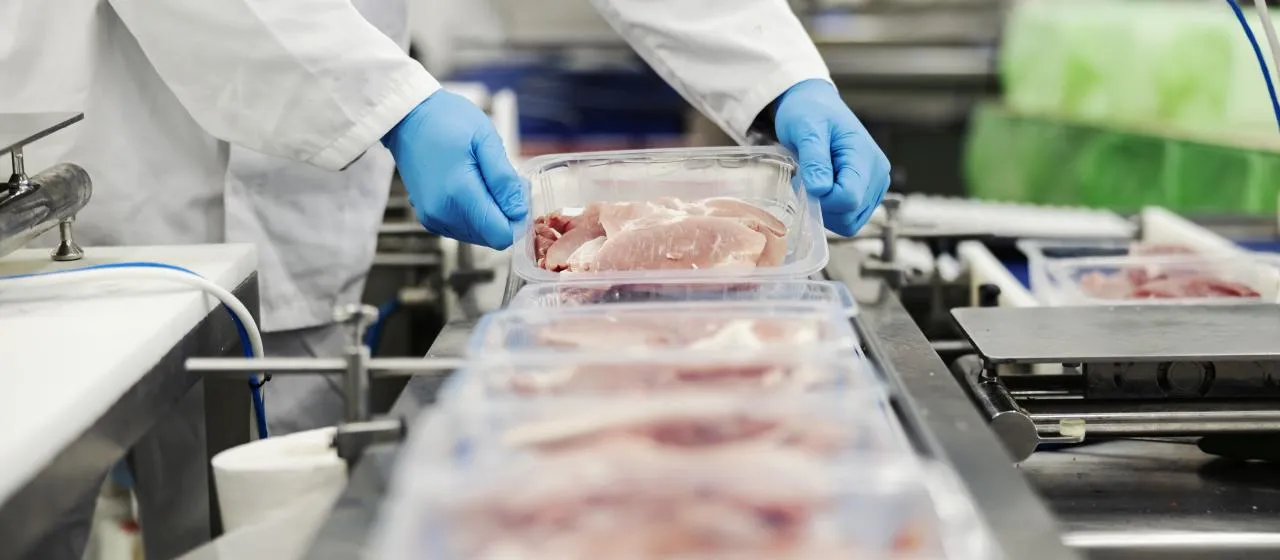
Food gases
Food-grade gases are specially designed to be used in the production of food and beverages and to help preserve them. To maintain the organoleptic and nutritional qualities of food and beverages, it is essential to guarantee the highest quality and purity of the gases used in this process, from the beginning to distribution and consumption by the end consumer.
OXIGEN Salud supplies gases in cryogenic liquefied gas containers or high-pressure cylinders of varying capacities, depending on the application and consumption.
Applications for food-grade gases range from MAP packaging to the processing of oils and juices, among others.
OXIGEN Salud offers different supply solutions depending on the volume and application:
● Cryogenic containers: for liquefied gases such as liquid nitrogen.
● High-pressure cylinders: available in various sizes, ideal for small to moderate consumption.
● Cylinder blocks or centralized systems: for large-scale production facilities.
Each format is designed for easy integration with the customer's production systems, ensuring safety and continuity of supply.
With extensive experience and a commitment to excellence, OXIGEN Salud has established itself as a leading supplier of gases for the food and beverage industry, guaranteeing the highest quality, safety, and efficiency in all production processes.
Modified Atmosphere Packaging (MAP) substitutes the air inside the package with a preserving gas mixture that retains product freshness longer.
The main enemy of food preservation is oxygen; nitrogen counteracts its effects.
OXIGEN salud offers a food gas or mixture fit to each product. That's why it suggests an exact composition for each gas mixture and recommends a specific application to preserve food, either packaged or frozen.
OXIGEN salud supplies nitrogen and argon, two gases that are used in inerting processes for storing, grinding, and kneading of olives. These gases are also used for deoxidisation in oil mixing and homogenisation.
Afterwards, nitrogen and argon ease the inerting of the storing and bottling of oil. These inert gases substitute the remaining air in the containers, avoid oxidising processes and help preserve the taste and aroma of oil.
Nitrogen and carbon dioxide in food freezing help preserve the taste of frozen products and avoid drying.
Nitrogen reduces oxygen inside packages to 2 %, extends shelf life and preserves the original taste, aroma, and texture properties. The quality of frozen food is enhanced and extended.
Fruit juices suffer numerous biochemical, enzymatic, and microbiological alterations because of the unwanted effects of oxygen which cause taste loss and unpleasant flavours. Nitrogen injection counteracts these effects.
Shall we call you?