Food gases

There are various solutions available
for the different processes in the food industry

Food gases are used in several sectors such as the food and hospitality industry, oenology, restaurants, and agriculture. These gases ensure food and beverage quality control from production or harvest until consumption.

Benefits of using gases in the food sector

Food-grade gases offer numerous advantages for both producers and consumers, thanks to their ability to effectively protect and preserve food. The main benefits are highlighted below:

  • Extended shelf life: by minimizing oxidation and the growth of microorganisms, food remains in optimal condition for longer.
  • Preservation of organoleptic properties: gases help maintain the original flavor, color, and texture of food.
  • Reduced waste: By extending the freshness and durability of food, losses from damaged or expired products are reduced.
  • Food safety: gases such as nitrogen (N₂) and carbon dioxide (CO₂) create a protective environment that hinders bacterial contamination and improves preservation conditions.

Regulation and safety in the use of food gases

The use of gases in the food industry is strictly regulated to ensure consumer safety. In Europe, food-grade gases are considered food additives and must comply with the criteria established by Regulation (EC) No 1333/2008.

This includes specific standards for purity, traceability, and quality that producers must rigorously follow. At OXIGEN salud, we adhere to the strictest quality standards, aiming to provide the solutions our clients need.

Examples of uses and applications of food-grade industrial gases

Some examples of applications depending on the type of food are:

  • Fresh and perishable products: nitrogen (N₂) and carbon dioxide (CO₂) are ideal for preventing oxidation and microbial spoilage.
  • Meat and fish: mixtures of carbon dioxide (CO₂) and oxygen (O₂) are used to preserve the natural color and freshness of these products.
  • Carbonated beverages: carbon dioxide (CO₂) is responsible for the fizz and freshness in soft drinks, beers, and carbonated waters.
  • Rapid freezing: liquid nitrogen (LN₂) or dry ice (solid CO₂) are excellent options for ultra-rapid cooling, especially for perishable foods.

Gases and applications in the food sector

Oxygen

  • Production and packaging of wine and grape treatment.
  • Modified Atmosphere Packaging (MAP).
  • Beverage inerting.

Argon

  • Production and packaging of oil.

Dry ice carbon dioxide or carbon dioxide snow

  • Freezing and chilling for transport.

Nitrogen

  • Production and packaging of wine and grape treatment.
  • Modified Atmosphere Packaging (MAP).
  • Product freezing.
  • Production and packaging of oil.

Carbon dioxide

  • Beverage dispensing.
  • Beverage carbonation.
  • Modified Atmosphere Packaging (MAP).

Gas mixtures for the food sector

  • Modified Atmosphere Packaging (MAP).
  • Product freezing.

Contact us

Customer Support

900 80 80 89 Request a quote
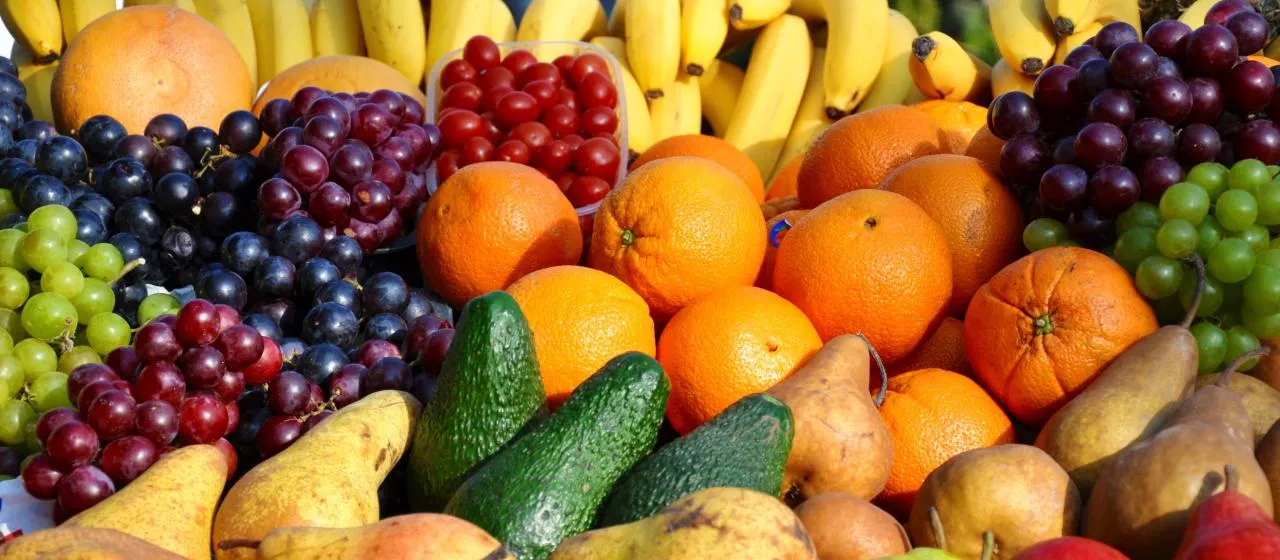
Types of food-grade gases

Gases for food and beverages

Designed to be an agent in the food and beverage production process and improve preservation.
Learn more

Gases for agriculture

Appropriate to enhance crop productivity.
Learn more

Gases for oenology

Convenient for producing and packaging wine and sparkling wine.
Learn more

Gases for the hospitality and restaurant industry

Used in cryogenic freezing, cocktails, patisserie and beverage dispensing.
Learn more

Gases to transport food

Gases to move food in optimal temperature conditions.
Learn more

All the food gases of OXIGEN salud meet the safety regulations of the Spanish Agency for Food Safety and Nutrition, which regulates and controls gas applications. All gases comply with current regulations and laws and follow thorough safety procedures.

Other gases supplied by OXIGEN salud

Calibration / laboratory gases

Pure and ultra-high purity gases for applications in which high-purity gases are essential.
Learn more

Industrial gases

Gases for several uses and applications, pest management, fire extinguishing, livestock farming, balloons and leisure, etc.
Learn more

Medical gases

Essential gases in the healthcare sector for treatments and diagnostic tests such as surgery or analgesia.
Learn more

Chilling gases

Gases to regulate temperature, primarily used for chilling.
Learn more

Remote monitoring for hospitals

Remote monitoring systems for hospitals to control their medical gas installations.
Learn more

OXIGEN Salud is responsible for data processing, with the purpose of managing queries and requests. You can exercise your data protection rights by sending an e-mail to dpo@oxigensalud.com.

We use Cookies

We use our own and third-party cookies for technical purposes, analysis and for advertising personalization. More information.